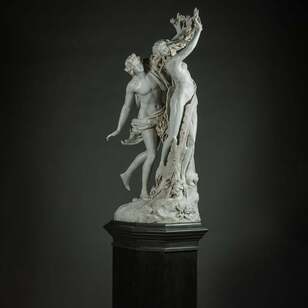
When I walk around in a museum and look at paintings, I really just look at it to decide whether I like it or not. But when I am accompanied by a guide and hear the stories behind what I see, I like many more paintings that I first thought.
Picture Talk is an activity that many CI teachers (as well as non CI-teachers) use in their lessons. Picture Talk can be done in several ways. You can talk about what you literally see in a picture: there are trees, there's a man, his pants are black, his jacket is green, his hat is grey, there are flowers, the flowers are yellow. This builds vocabulary. But it doesn't lead to language acquisition, you don't work towards communication skills.
The story behind the picture is far more interesting than the colour of the pants. Where is this man? What is he doing there? Why is he there? How did he get there? Is there someone else we don't see in the picture? What is this man thinking? What would he say or wonder? What could have happened before this moment or what could happen later?
In CI-lessons we want to work with the action and emotion that come with a story. That's what leads to language acquisition, you work with language that can be used in communication. But the most important aspect is that action and emotion keep your students focused. Everybody loves stories, everybody is curious. And of course everyone get's a chance to contribute to the story by making suggestions (autonomy).
So instead of just admiring the artist's technique of the details in this marble statue (which are of course beautifully done), it's far more interesting to know that this women, Daphne, slowly turns into a laurel tree to escape from Apollo's advances. Then you don't just see the beautiful marble details, but also how her feet are changing into roots and how her fingers change into branches. It's like seeing the entire story right in front of you, by focusing on the action and emotion.