30 and 31 October 2026
On 30 and 31 October 2026 we look forward to welcoming you and your colleagues to our 2-day conference!
Our host this year is the British School in beautiful The Hague.
What can you expect?
Both mornings you can attend language labs: these are language lessons full of Comprehensible Input activities. You can immerse yourself as a student or observe as a teacher to get inspired.
In the afternoons you can choose from many workshops about Comprehensible Input and we share best practices.
Furthermore you can check out and buy the best easy readers and teacher materials at The CI Bookshop.
The final programme can be found here, together with the workshop descriptions as well as the list of presenters; we can promise you that both days will be great.
Details:
Dates: 30 and 31 October 2026
Time: 09:30-12:00, 14:00-17:00 (there is a 2-hour lunch break, check out lunchrooms in the Theresiastraat, at just about a 15 minute walking distance form the venue)
Location: British School, Vlaskamp 19, Den Haag, The Netherlands
Price: € 195,00 (including coffee and tea, excluding lunch)
Price students teacher training: € 125,00 (including coffee and tea, excluding lunch)
Presenters
Casper Porton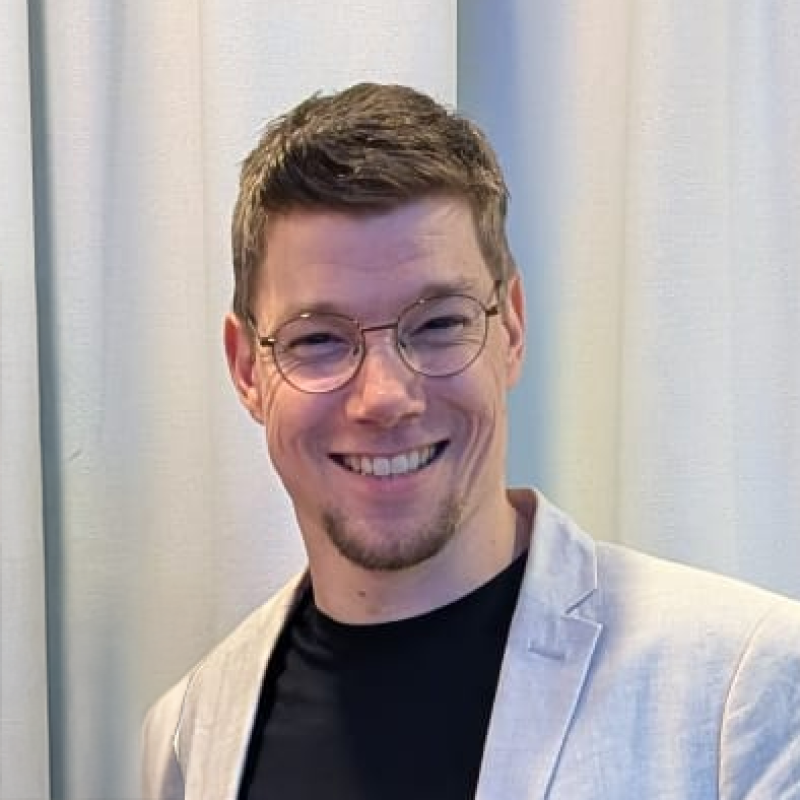
Bringing ancient languages back to live: a perfect job for Casper! After his career as teacher of Latin in a secondary school he now facilitates trainings to teachers of classical languages and develops teaching materials for classical languages. In his language school Addisco in Hilversum in The Netherlands you will not see any vocabulary lists or difficult grammatical terminology, but you learn to read and understand Latin, ancient Greek or Hebrew. Furthermore he dedicates a lot of time to reading about didactics and language acquisition.
On 30 and 31 October Casper will facilitate the Latin language lab.
Marianne de Best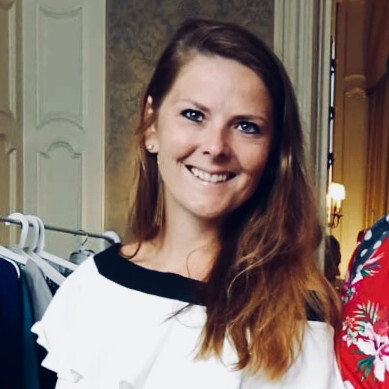
A well known guest at Dynamic Language Learning is Marianne. She passionately teaches Dutch at the British School in The Netherlands. Her students hardly ever sit still in class, because the many stories in her lessons come alive through theatre. Picture books also contribute to language acquisition. Furthermore she is the author of the Dutch easy reader Een gorillababy in het paleis.
At the conference Marianne will facilitate various workshops, among others about reading and speaking.
Tammy Ruijgrok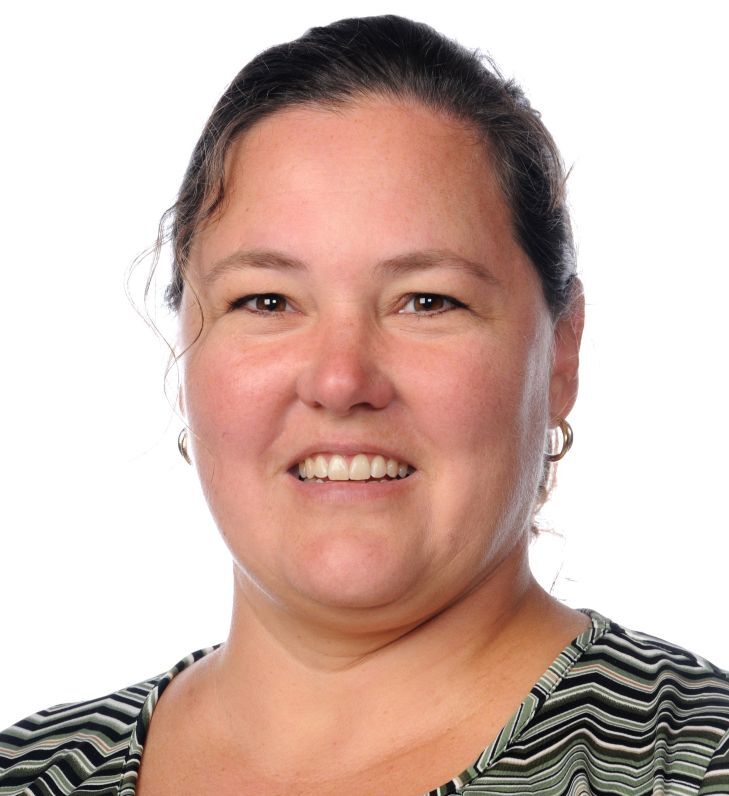
Her intuition drove Tammy towards TPRS: she wanted to teach her students Dutch in a natural way. Listening and reading for understanding are prioritized in her lessons in which her students are being immersed in compelling and comprehensible language with enthusiasm. Furthermore she integrates culture in her lessons so that her students not only learn the language but also about customs and history.
At the conference Tammy will facilitate the language lab Dutch as an additional language (DAL) for younger learners and a workshop on how to implement culture in CI-lessons.
Paul Jansen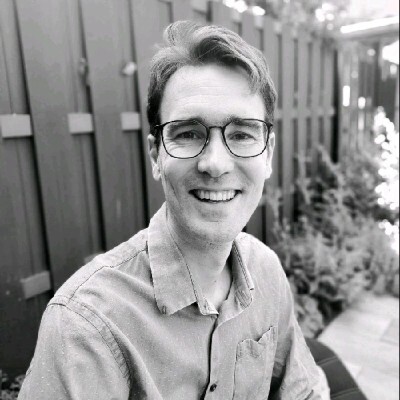
"Six years of French in school, but I still can't say anything". This remark made Paul think about language education. He came to the conclusion that memorizing vocabulary, filling out exercises and repeating dialogues without context did not contribute to language acquisition. He completely changed his teaching at the Gymnasium Celeanum in Zwolle, where his students are now actually speaking French spontaneously and full of confidence. Stress for the oral exams are now in the past. This successful transition resulted in a great conversation at the Dutch education podast Tjipcast.
At the conference Paul will present how he succesfully transitioned from the traditional teaching method to teaching with Comprehensible Input.
Carmen Meester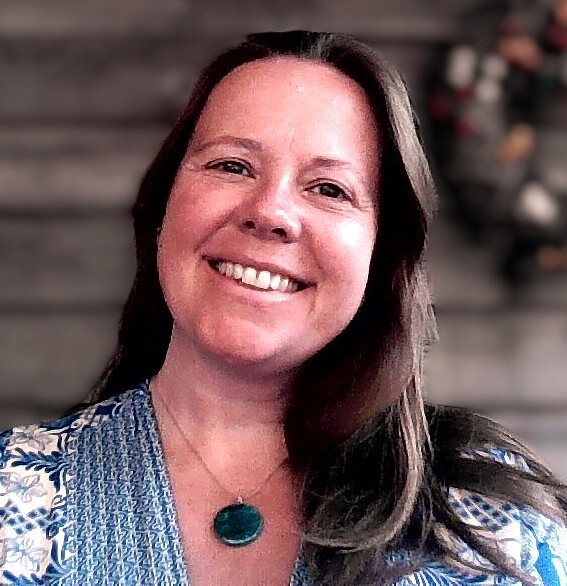
As a teacher of Spanish to adults Carmen was looking for a way to make her students actually communicate in Spanish. By coincidence she ended up in a TPRS workshop faciliated by Kirstin Plante (founder of TPRS Academy, later Dynamic Language Learning) and Iris Maas. After just 30 minytes she was speaking some Russian, after having been able to understand a Russian story. The holy grail was found! Nowadays Carmen is the owner of Dynamic Language Learning and facilitates trainings and workshops to language teachers. Furthermore she is the author of the Spanish easy reader La nueva vecina.
At the conference Carmen will facilitate the Spanish language lab as well as a workshop on visualising grammar in CI-lessons.
Charlotte Dincher
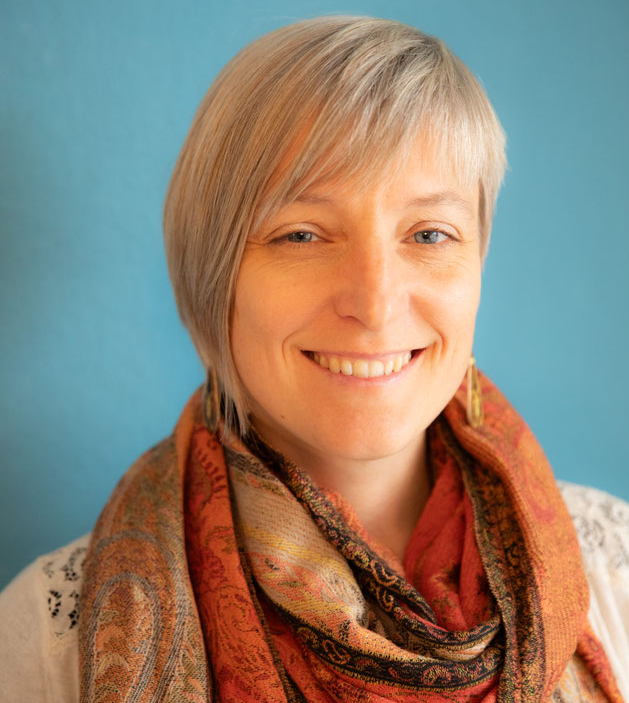
At the conference Charlotte will facilitate an introduction workshop to CI for attendees who are new to Comprehensible Input. She will also facilitate a workshop on reading, perfectly aligned with the presence of The CI Bookshop!
Janique Vanderstocken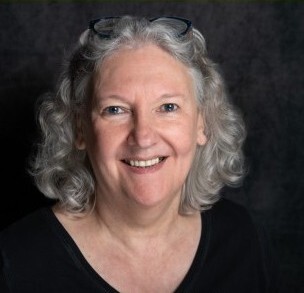
Janique Vanderstocken has been teaching Dutch as a second language for over 30 years. She is specialized in education to low educated and/or illiterate students. She creates many materials herself, from readings to songs. Not a lesson goes by without her singing or tuning with her students.
At the conference Janique will facilitate a workshop on teaching without translations.
Kathrin Shechtman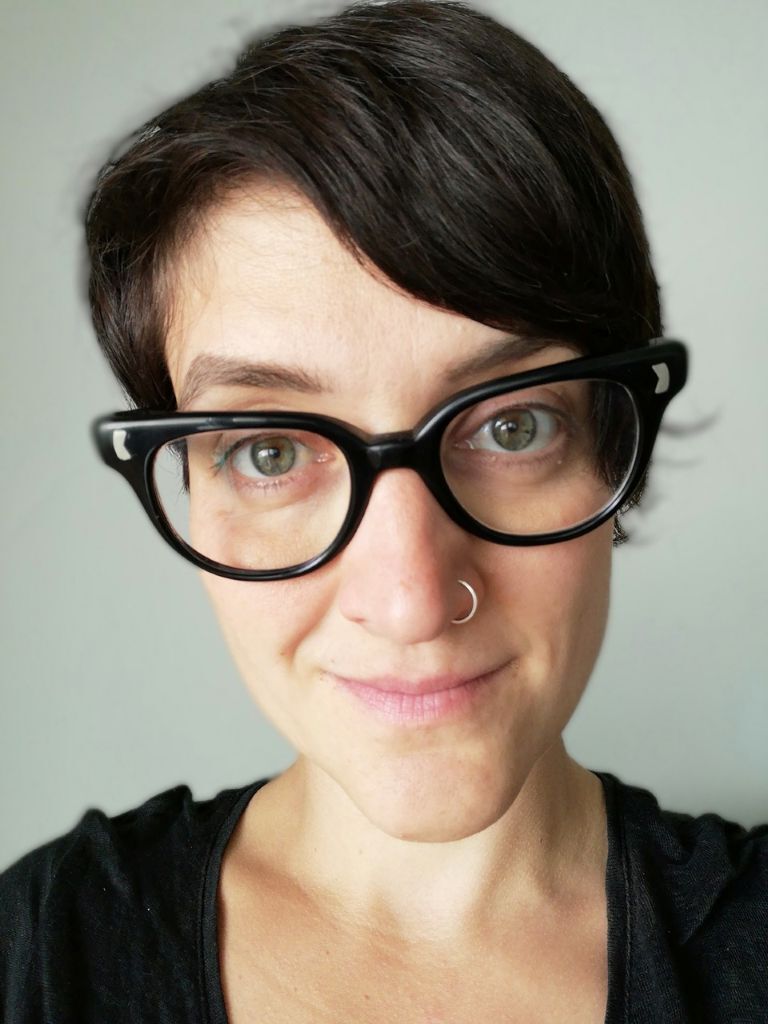
Kathrin Shechtman discovered CI when she was teaching german in the US. Back in Germany she teaches English in bilingual groups. She is specialized in Story Listening so telling fascinating stories are a large part of her lessons.
At the conference Kathrin will facilitate a TPR workshop and a Story Listening workshop.
Programme
preliminary; subject to change
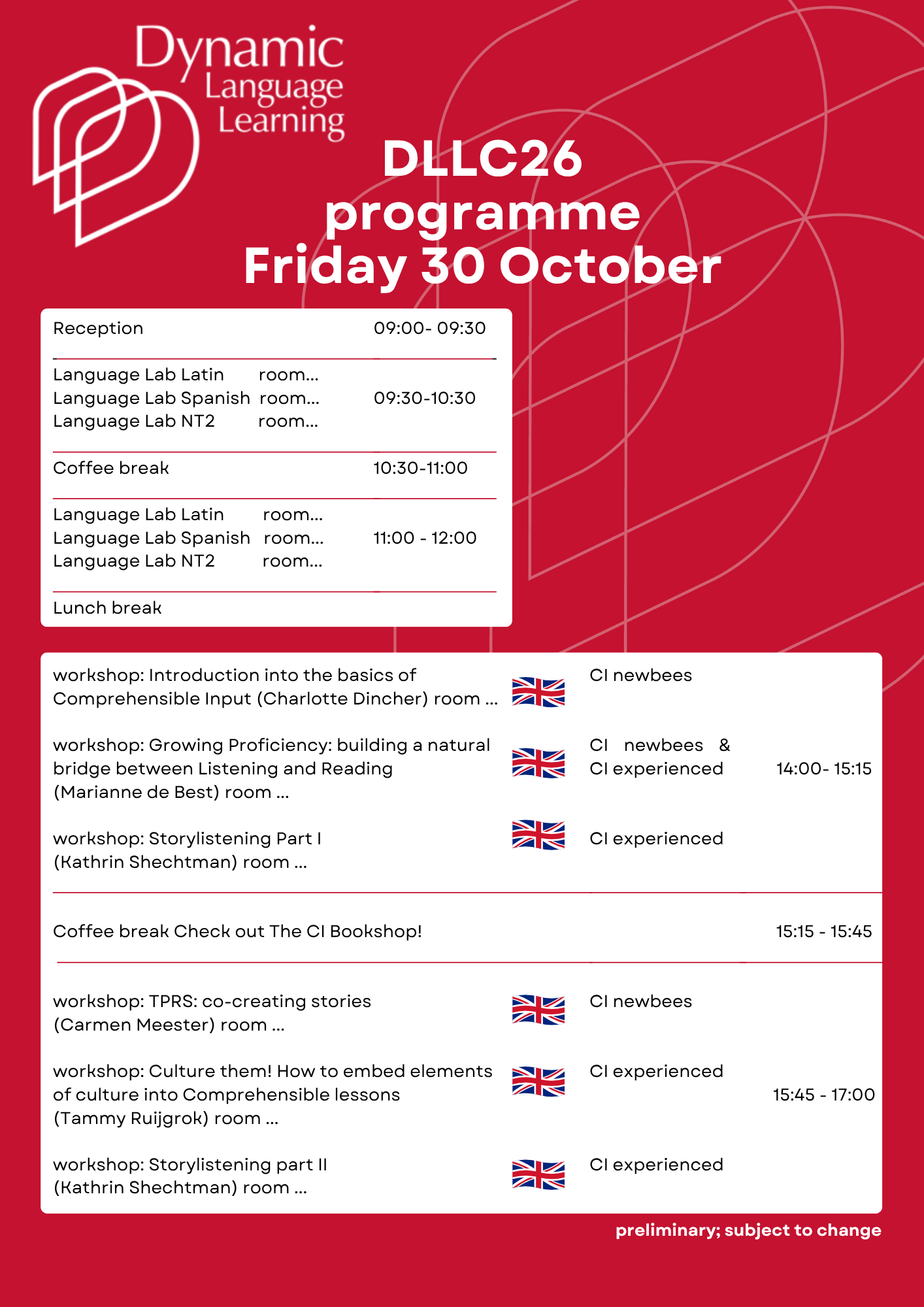
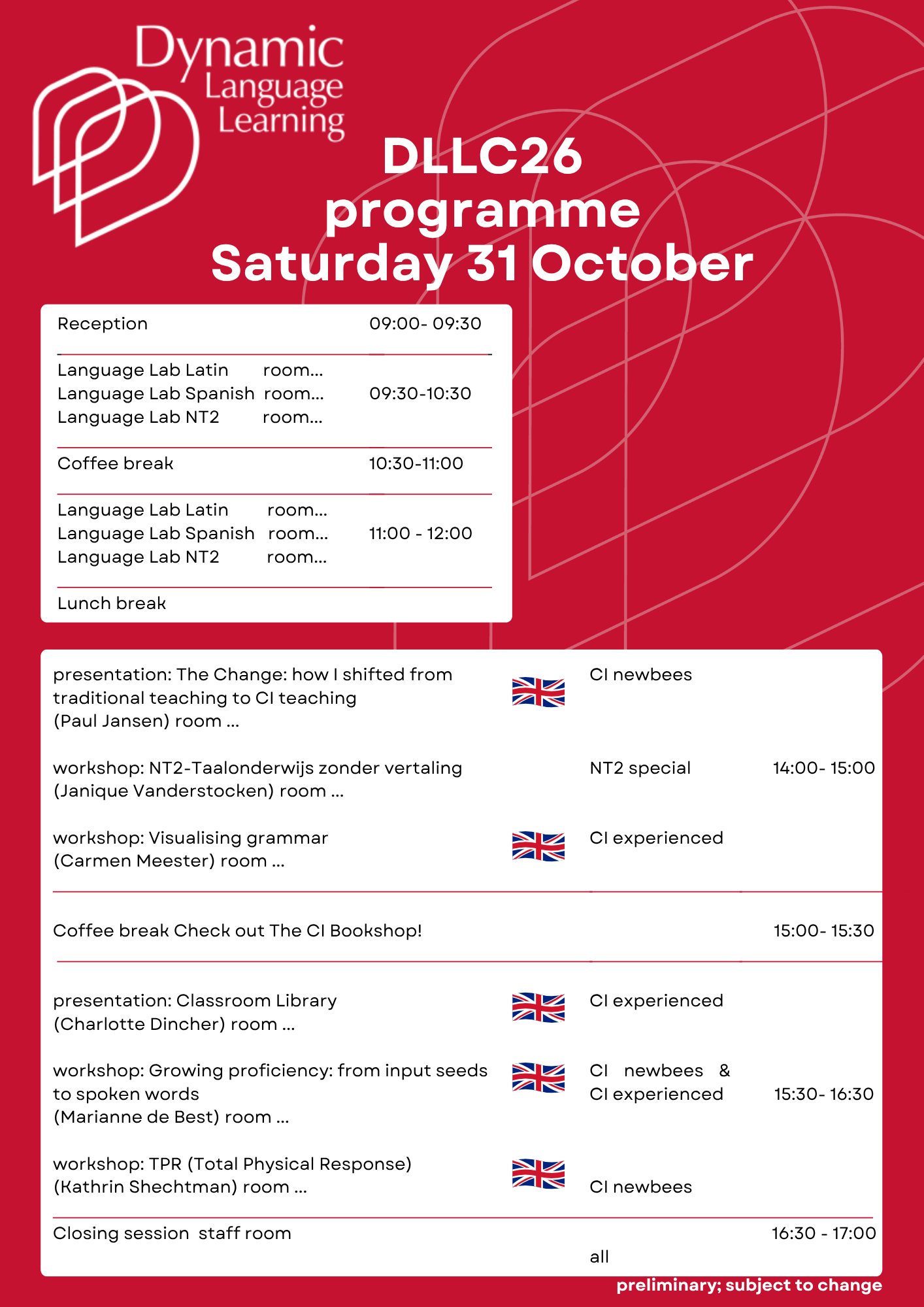
Language Labs
A Language Lab is a language lesson where you can see the teacher in action. You participate as a student and learn some of a for you unknown language. This way you will experience full immersion in another language and you see how the teacher makes this target language comprehensible for you. The teacher shows various activities so that you can get a good idea of how you can shape your lessons.
At the end of the language lab there will be time for evaluation and asking questions to the teacher.
Workshops and presentations
subject to changes
Introduction into the basics of Comprehensible Input
This presentation is perfect for participants who want to learn about what CI is. Charlotte explains in a very clear way what CI is and why it is so effective.
Growing Proficiency: building a natural bridge between listening and reading
How can we help learners move smoothly from listening to reading in a CI classroom? Together with Marianne you'll discover practical strategies to make reading accessible and engaging, including story-based input, scaffolding techniques including practical tips for working with the youngest learners. Suitable for both beginning and experienced CI teachers, including NT2 and international contexts
Storylistening Deel I
Kathrin Shechtman shows how to tell stories in the target language and how to make these comprehensible. She provides tips on how to adjust the story to the level of your students and in which ways you can make the story comprehensible.
Storylistening Deel 2
This workshop is the continuation of the previous workshop.
TPRS: co-creating stories
TPRS is maybe the best-known activity of CI. This workshop is perfect for participants who wish to get introduced to co-creating stories together with the students. Carmen will show 3 versions of co-creating stories based on 3 target structures.
Culture them! How to embed elements of culture into CI lessons
Culture is the heart of language, and integrating cultural elements into comprehensible input (CI) lessons not only enhances language acquisition but also fosters intercultural understanding. In this workshop Tammy explorespractical strategies to seamlessly embed cultural aspects—such as traditions, values, festivals, cuisine, and daily life—into CI-based teaching.
The change: how I shifted from traditional teaching to CI teaching
Are you new to CI or maybe not yet convinced of its effectiveness? In this presentation paul will tell you about the difficulties he encountered while teaching with the usual, traditional methods. he decided to get trained as a CI teacher. he will share how he changed his lessons and materials into CI.
NT2 onderwijs zonder vertaling (Dutch workshop for teaching without translations)
Visualising Grammar
We language teachers love grammar, that's no secret. The vast majority of our students unfortunately doesn't. But explicit grammar focus is very helpful in our students' learning process. In this workshop Carmen will show various ways to focus on grammar in a brain friendly way.
Classroom library
Reading is not only beneficial for building vocabulary, it also helps to consolidate grammar. Unfortunately not many students get excited about reading. In this presentation Charlotte will talk about building a classroom library that is engaging to your students.
Growing Proficiency: from input seeds to spoken words
Unlock the secrets to helping learners speak with confidence! We know that developing speaking proficiency takes time—and that each learner moves at their own pace. Together with Marianne you’ll discover how to create a classroom where students are eager to participate in the target language and willing to take risks. Perfect for both new and experienced CI teachers in NT2 and international classrooms, this workshop gives you the tools to make every learner’s voice heard.
TPR: Total Physical Response Kathrin demonstrates how to apply TPR in your lessons. From short executions to longer commands. You will fully experience what it's like to be immersed in an unknown language.